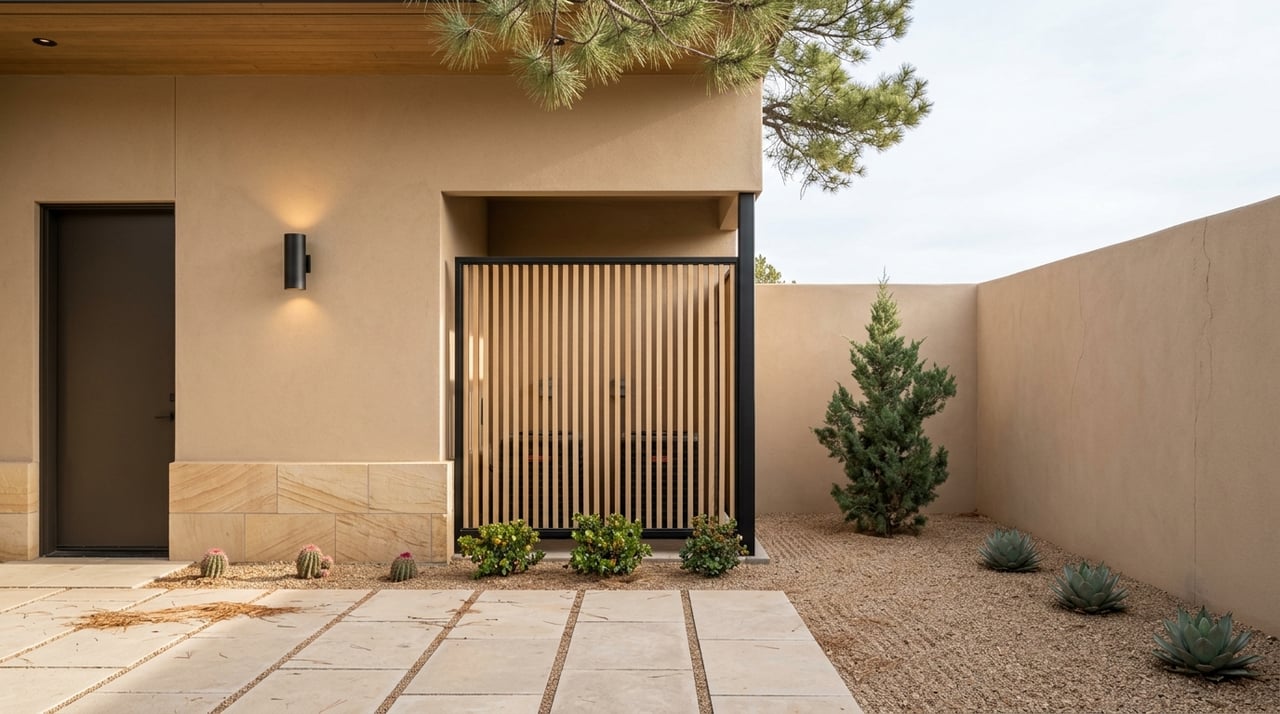
Thinking about buying a second home in Northern Arizona? Before you fall in love with red rock views in Sedona or mountain air in Flagstaff, it helps to get clear on how you plan to use the property. Your goals shape everything from HOA rules and rental options to maintenance costs, taxes, and seasonal planning. Let’s dive in.
Start With Your Intended Use
The first and most important question is simple: How will you actually use the home? A pure lock-and-leave retreat has very different needs than a seasonal family base or a property you may want to rent part of the year.
That decision should happen early because it affects where you look, what rules matter most, and what your long-term carrying costs may be. If rental flexibility is important, you should review both local licensing rules and HOA documents before you write an offer.
According to the City of Sedona vacation rental guidance, permit requirements apply to short-term rentals, and each advertised unit needs its own permit. In Flagstaff, the city’s short-term rental rules also require a city license, along with a state TPT license and annual notice to adjacent properties.
Compare Sedona And Flagstaff Ownership
Sedona Ownership Planning
Sedona offers a very different ownership experience than Flagstaff. For many second-home buyers, the appeal is obvious: scenery, access to outdoor recreation, and a strong lifestyle draw.
But ownership planning in Sedona should go beyond the view. The city’s Climate Action Plan notes impacts tied to higher temperatures, water availability, and wildfire risk. The city also found some parts of town, including Uptown, central West Sedona, and areas along State Route 179, can be at least 9.1°F warmer than other areas.
That matters when you evaluate lot exposure, shade, cooling efficiency, and how comfortable the home will feel during summer use. If your second home will sit vacant for stretches, you may also want to think carefully about systems monitoring and seasonal maintenance.
Drainage is another key issue. Sedona’s stormwater resources explain that rainfall may be limited overall, but runoff can be concentrated when storms hit. As you tour homes, pay attention to grading, landscaping, hardscape runoff paths, and how water moves around the lot.
If you are considering a property near forested areas, wildfire restrictions should also be part of your checklist. The Coconino National Forest maintains year-round fire restrictions in some Sedona-area locations, including Sedona/Oak Creek Canyon and West Sedona.
Flagstaff Ownership Planning
Flagstaff asks something different of second-home owners. If Sedona planning is often about heat, drainage, and wildfire readiness, Flagstaff planning is much more focused on winter conditions and exterior upkeep.
The National Weather Service office in Flagstaff reports that Flagstaff Pulliam Airport averages 90.1 inches of snow between October and May. January also averages a 42°F high and a 15.4°F low, which gives you a clear sense of the winter ownership environment.
For a second-home buyer, snow is not just a lifestyle detail. It affects access, maintenance, vendor coordination, and how easily you can leave the property unattended.
The city’s sidewalk clearing requirements say owners and occupants must clear adjacent sidewalks within 24 hours after snow or ice accumulates. The city also prohibits moving snow or ice into streets or alleys, which makes snow response planning especially important if you will not be in town full-time.
Flagstaff also enforces minimum exterior building and property care standards. In addition, the city fire department recommends fall and winter as a good time to harden homes against wildfire by addressing roofs, siding, windows, and decks. For buyers comparing properties, that means exterior condition deserves close attention, especially on homes exposed to snow, freeze-thaw cycles, and surrounding vegetation.
Review Rental Rules Before You Offer
If you may rent the property at any point, do your homework before you get emotionally committed. City rules and HOA documents can both shape what is allowed.
In Sedona, owners must first obtain an Arizona Transaction Privilege Tax license before applying for a city short-term rental permit, according to the city’s vacation rental page. In Flagstaff, the city’s short-term rental licensing page outlines a similar sequence, starting with the TPT license.
HOA rules matter just as much. Under Arizona law on planned communities, rental use may be allowed unless the declaration prohibits it, but owners still must follow any rental time-period restrictions in the governing documents.
That is why you should read these documents carefully before moving forward:
- CC&Rs
- rental restrictions
- parking rules
- guest policies
- architectural standards
- assessment and reserve information
A community may allow ownership transfers but still limit how the home can be used. If your plan includes personal use plus rental income, even occasionally, those details can materially affect whether the property fits your goals.
Understand The 30-Day Rental Distinction
One important tax and use issue in Arizona is the difference between stays under 30 days and stays of 30 days or more. The Arizona Department of Revenue says lodging stays under 30 days are treated under transient lodging or hotel classification, while stays of 30 days or more are treated differently.
This distinction matters if you are deciding between nightly or weekly rentals and longer furnished stays. It can affect licensing, tax treatment, and how you structure the property’s use from the start.
If you are buying with any mix of personal and rental use in mind, it is wise to consult your lender, CPA, and tax advisor before closing. Small changes in intended use can create very different planning needs.
Know How Property Classification Works
A second home may not be classified the same way as your primary residence. The Arizona Department of Revenue property classification guide explains that class 3 property is an owner’s primary residence, while class 4 generally applies to residential property that is not otherwise classified, including non-primary residential use.
If your second home later becomes your primary residence, you may request reclassification from the date of occupancy. This is another reason it helps to think beyond today and consider how the property may fit your life in a few years.
Property tax timing also matters for cash-flow planning. Arizona property taxes are usually billed in two installments, with the first due October 1 and the second due March 1. If you are buying late in the year or early in the spring, those due dates can affect prorations and closing strategy.
Match The Home To The Season
A smart second-home purchase is not just about location. It is about choosing a home that works well in the season you expect to use it most.
For Sedona, that means stress-testing the property for summer heat, wildfire readiness, and drainage performance. For Flagstaff, it means focusing on winter access, snow removal, and exterior durability.
This practical lens can help you compare homes more clearly. A property that looks ideal in one season may carry very different ownership demands in another.
Keep Market Expectations Realistic
Both Sedona and Flagstaff remain expensive markets by most public measures. The research report notes public market pages showing Sedona as a high-price market, with Redfin reporting a March 2026 median sale price of $1.3M, Zillow reporting an average home value of $909,102, and realtor.com reporting a Flagstaff median home sale price of $830.3K.
These figures are not directly comparable because the sources use different metrics, but they are still useful directional signals. For buyers planning a second home, that reinforces the value of getting specific about use, ownership costs, and long-term fit before making a move.
Build A Clear Buying Plan
The best second-home purchases usually start with a simple framework. Before you narrow your search, define what matters most to you.
Ask yourself:
- Will this be a true lock-and-leave property?
- Do you want the option to rent it?
- How often will you use it in peak summer or winter months?
- What level of maintenance are you comfortable managing from out of town?
- Do HOA rules support your intended use?
- Are you prepared for the tax and licensing implications of that use?
When those answers are clear, your home search becomes much more focused. You can compare Sedona and Flagstaff not just by style or scenery, but by how well each market fits the way you want to live.
If you are planning a second home in Sedona or Flagstaff, working with a team that understands luxury buyer priorities, local market nuance, and the practical side of ownership can make the process much smoother. To start the conversation, connect with ROCO Luxury Homes.
FAQs
What should you decide first when planning a second home in Sedona or Flagstaff?
- You should first decide whether the home will be a lock-and-leave retreat, a seasonal family base, or a property you may also rent, because that choice affects location, HOA review, licensing, taxes, and management planning.
What rental rules matter for a second home in Sedona?
- Sedona requires an Arizona TPT license before you apply for a city short-term rental permit, and each advertised unit needs its own permit according to the city’s current guidance.
What rental rules matter for a second home in Flagstaff?
- Flagstaff requires a city short-term rental license, a TPT license, and annual written notice to adjacent properties with owner and emergency contact information.
Why is winter planning important for a second home in Flagstaff?
- Flagstaff averages significant snowfall, and owners must clear adjacent sidewalks within 24 hours after snow or ice accumulation, so access and snow management are important if you will not be there full-time.
Why is summer and storm planning important for a second home in Sedona?
- Sedona has areas that can run significantly warmer than others, and the city notes that runoff can be concentrated during storms, so buyers should evaluate heat exposure, drainage, and wildfire readiness.
How are second homes classified for Arizona property taxes?
- Arizona says class 3 applies to an owner’s primary residence, while class 4 generally applies to residential property that is not a primary residence, including non-primary residential use.
Why should you review HOA documents before buying a second home in Northern Arizona?
- HOA documents can limit rental timing, guest use, parking, and property changes, so they may affect whether the home actually fits your intended use even if local law allows rentals.