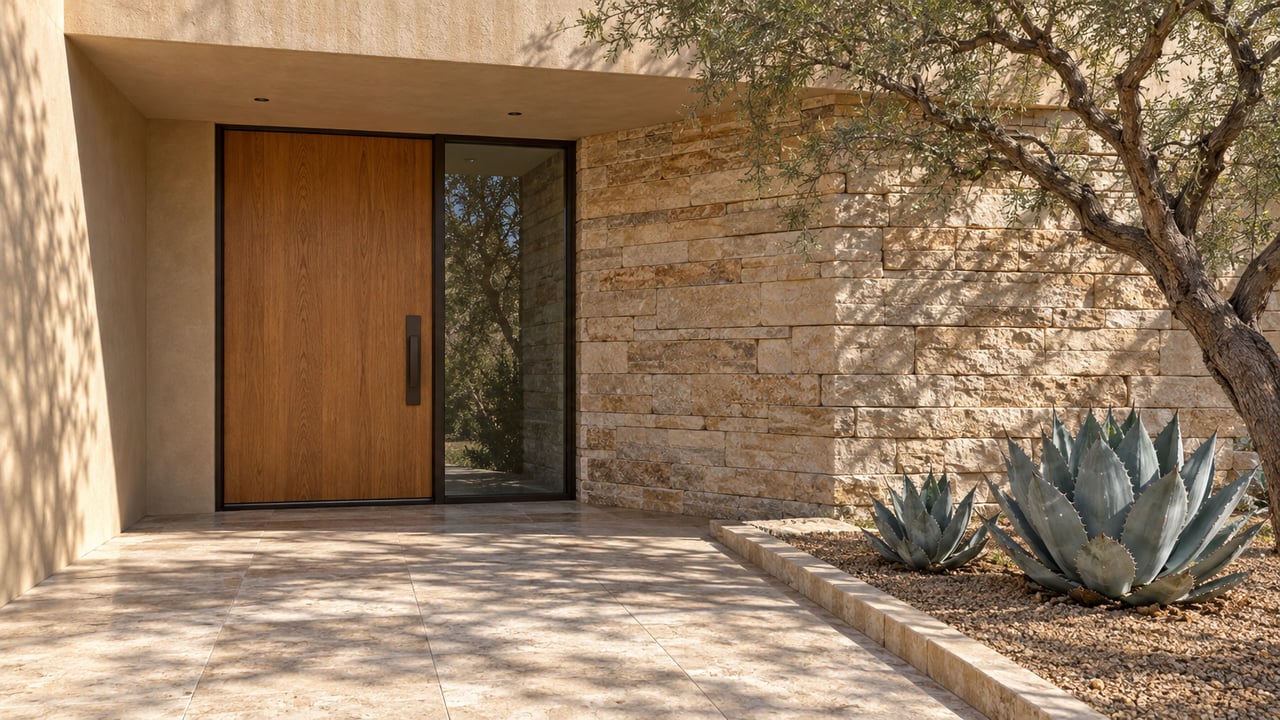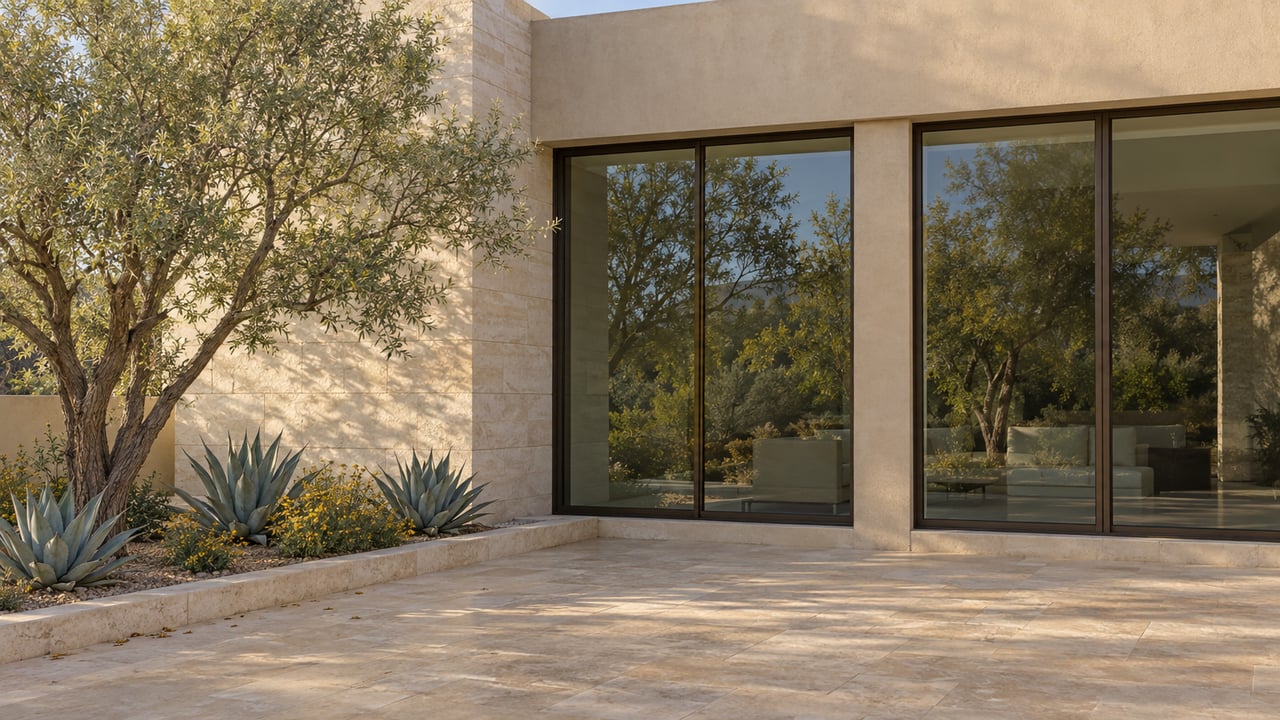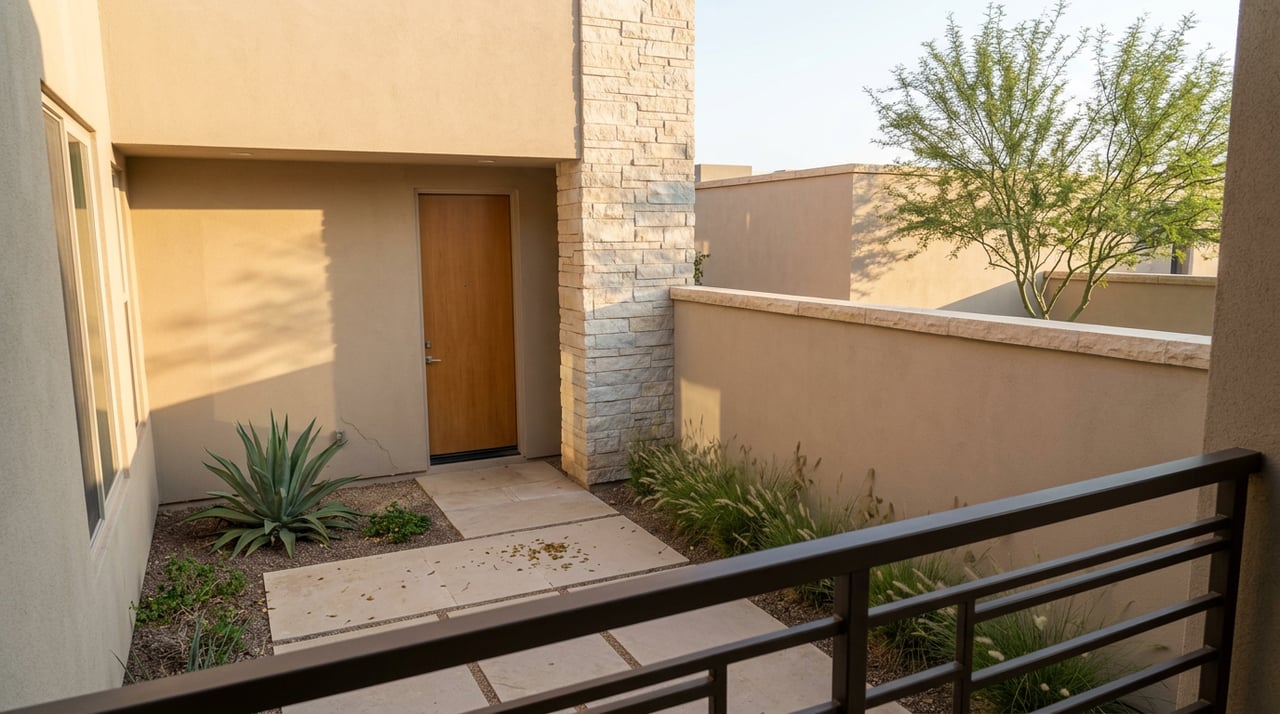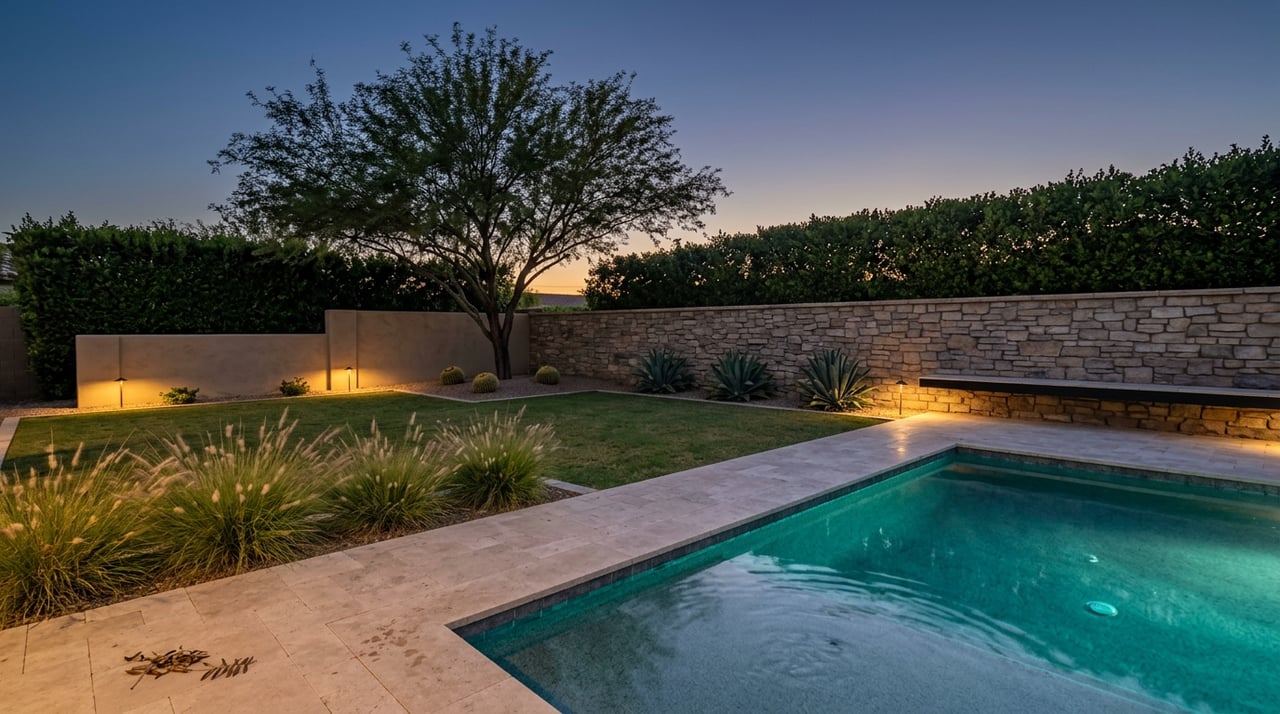
Trying to choose between Sedona and Flagstaff? You are not alone. Many Northern Arizona buyers love both, but the right fit often comes down to how you want to live day to day, what kind of climate you enjoy, and how you see your home being used over time. This guide breaks down the differences in setting, lifestyle, and housing character so you can move forward with more clarity. Let’s dive in.
Sedona vs. Flagstaff at a glance
Sedona and Flagstaff both offer beautiful scenery and strong lifestyle appeal, but they feel very different in practice. Sedona is the smaller, more retreat-oriented option, while Flagstaff offers a higher-elevation mountain-town setting with a broader year-round rhythm.
According to Visit Sedona, Sedona sits about 114 miles north of Phoenix, covers roughly 19 square miles, and rests at about 4,500 feet in elevation. Flagstaff’s official tourism page places Flagstaff about 150 miles north of Phoenix at 7,000 feet, with a larger hospitality base, a historic downtown, and a university-town energy shaped in part by NAU.
Sedona lifestyle and setting
Sedona is often the better fit if you want a home base that feels scenic, calm, and retreat-like. The setting is closely tied to Red Rock Country, and much of the area’s appeal comes from the landscape itself.
Visit Sedona highlights hiking, biking, scenic viewpoints, picnic areas, arts and culture stops, stargazing, and Indigenous heritage sites as part of everyday exploration. If your ideal weekend includes a morning trail, an afternoon gallery visit, and sunset views, Sedona offers that rhythm naturally.
Sedona also has a notably art-forward identity for a smaller town. Official sources point to more than 80 galleries, First Friday in the Galleries, Tlaquepaque Arts & Shopping Village, Hillside Sedona, Gallery Row, and the Sedona Arts Center. That creates a cultural scene that feels curated, visual, and closely connected to the town’s visitor and second-home appeal.
Flagstaff lifestyle and setting
Flagstaff tends to suit buyers who want more of a traditional mountain-town experience with stronger seasonal contrast. At 7,000 feet, it delivers cooler weather, winter recreation, and a broader mix of year-round activity.
The city’s official tourism resources describe a place known for its historic downtown, more than 200 restaurants, more than 5,000 hotel rooms, and a lively university-town feel. That combination gives Flagstaff a more layered civic and cultural base than a purely resort-driven market.
Flagstaff’s cultural life also runs deep. The city highlights First Friday ArtWalk, the Heritage Festival of Arts and Culture, the Museum of Northern Arizona, Lowell Observatory, Route 66 heritage, breweries, and live music venues. If you want variety, local events, and a more active four-season calendar, Flagstaff may feel like the stronger match.
Climate differences that shape daily life
Climate is one of the biggest practical differences between these two markets. Your comfort with heat, snow, and seasonal change can quickly narrow the choice.
Sedona’s climate is milder and drier. The Sedona FAQ notes about 18 inches of rain and 3.5 inches of snow annually, with average winter high and low temperatures around 60 and 34, and summer around 95 and 73. Sedona also identifies itself as a Dark Sky Community, which adds to its appeal for stargazing and quiet evenings outdoors.
Flagstaff offers a much more pronounced four-season pattern. According to Flagstaff’s official tourism page, winter snowfall averages about 108 inches downtown, summer temperatures rarely exceed 90 degrees, and the city sees 266 sunshine days a year. For winter sports, the city also points to Arizona Snowbowl, Flagstaff Snow Park, and Arizona Nordic Village.
In simple terms, Sedona gives you a warmer red-rock environment with lighter winter conditions. Flagstaff gives you cooler temperatures, snow, and a stronger sense of seasonal change.
Outdoor recreation: red rocks or mountain terrain?
Both towns are outdoor-oriented, but the experiences are different.
Sedona’s outdoor life is centered on dramatic desert scenery and easy access to red-rock views. Official tourism content consistently points to hiking, biking, vistas, and scenic exploration as core experiences. If visual beauty and trail access are at the top of your list, Sedona is hard to ignore.
Flagstaff expands the outdoor menu by season. In addition to hiking and mountain biking around the San Francisco Peaks and Coconino National Forest, the city promotes skiing, snowboarding, tubing, snowshoeing, and cross-country skiing. If you want more variety across the calendar, Flagstaff has a broader outdoor profile.
Housing character and market positioning
From a housing perspective, Sedona currently reads as the more premium market. That does not mean every home is ultra-luxury, but the overall market skews higher.
Realtor.com’s Sedona market overview shows a February 2026 median listing price of $1,046,500, 322 homes for sale, and a buyer’s market classification. The same source reflects luxury-leaning neighborhood pricing, including examples such as Forest Highlands at $2.4 million and The Canyon at Forest Highlands at $2.3 million.
By comparison, Realtor.com’s Flagstaff market overview shows a February 2026 median listing price of $830,332, 548 homes for sale, and a balanced market classification. The neighborhood range also appears wider, from Pine Canyon at $2.3 million to Presidio in the Pines at $609,950.
For many buyers, that means Flagstaff may offer more entry points and more inventory, while Sedona may better align with a luxury second-home or retreat purchase.
Which buyers often prefer Sedona?
Sedona may be the better fit if you are looking for:
- A scenic second home or getaway property
- A more retreat-like setting
- Strong visual appeal and red-rock views
- A warmer, drier climate with lighter snow
- A market that leans more luxury overall
- A shorter drive from Phoenix
Sedona can be especially appealing if your home search is tied to lifestyle, wellness, art, and a lock-and-leave type of ownership experience.
Which buyers often prefer Flagstaff?
Flagstaff may be the better fit if you are looking for:
- A cooler climate with real seasonal change
- A more traditional mountain-town environment
- Broader year-round dining, events, and activity
- Winter recreation and snow-based outdoor options
- More inventory and a wider pricing range
- A setting with a larger full-time local base
If you expect to spend more time in your Northern Arizona home throughout the year, Flagstaff’s broader mix of amenities and climate may feel more practical.
How to decide between Sedona and Flagstaff
If you are still torn, focus on how you want your home to function. Are you buying a peaceful second home for shorter escapes, or a place you plan to use across all seasons? Do you picture red-rock views and gallery afternoons, or a mountain setting with snow and a more varied town center?
It also helps to think beyond the home itself. The right choice is often about drive time, weather tolerance, daily convenience, and how closely the market matches your budget and long-term plans.
For buyers considering Northern Arizona lifestyle properties, having a clear strategy matters. The right guidance can help you narrow location, property type, and market timing with much more confidence. If you are exploring Sedona or Flagstaff and want tailored insight on where your goals fit best, connect with ROCO Luxury Homes for a private consultation.
FAQs
What is the main lifestyle difference between Sedona and Flagstaff?
- Sedona offers a smaller, retreat-like red-rock setting, while Flagstaff provides a higher-elevation mountain-town feel with more seasonal variety and a broader year-round activity base.
Is Sedona or Flagstaff closer to Phoenix?
- Sedona is closer. Visit Sedona says Sedona is about 114 miles north of Phoenix, while Flagstaff’s official tourism page places Flagstaff about 150 miles north.
How does weather compare between Sedona and Flagstaff?
- Sedona is warmer and drier with about 3.5 inches of snow annually, while Flagstaff has a much stronger winter pattern with about 108 inches of snowfall downtown on average, based on official tourism sources.
Is Sedona or Flagstaff more expensive for homebuyers?
- Sedona currently has the higher median listing price. Realtor.com shows Sedona at $1,046,500 versus Flagstaff at $830,332 in February 2026.
Which Northern Arizona market offers more housing inventory?
- Flagstaff currently shows more homes for sale, with 548 listings compared with Sedona’s 322, according to the Realtor.com market overviews cited above.
Is Sedona or Flagstaff better for a second home?
- It depends on your goals, but Sedona often appeals to buyers seeking a scenic, luxury-leaning retreat, while Flagstaff may appeal more if you want a four-season mountain-town experience with broader year-round use.