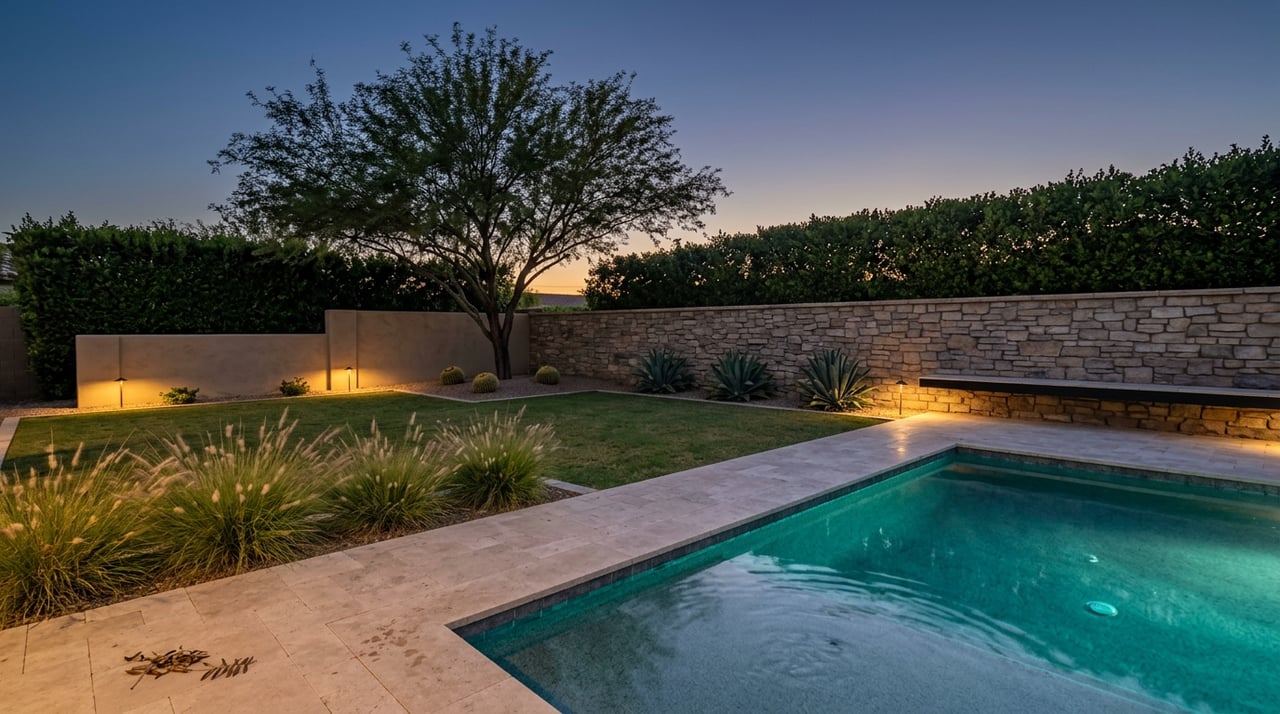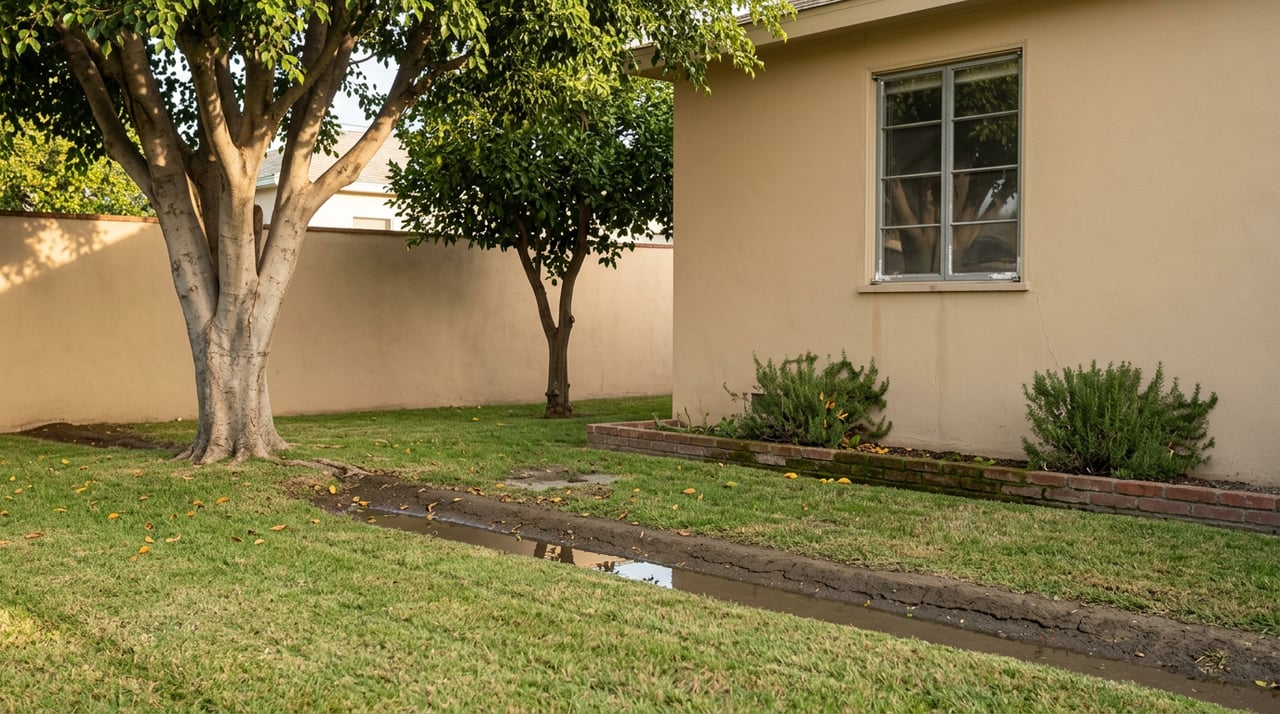
Picture a buyer touring a 1948 ranch on a curving street in Windsor Square in early August. The ficus canopy throws real shade, the grass is thick and green in a month when most Phoenix lawns have gone brown or gone away entirely, and the listing agent mentions, almost in passing, that the lot is "on irrigation." It sounds like a landscaping upgrade. It is not. It is a legal position tied to the deed, governed by a century-old water utility, with obligations that outlast the closing and rules that most out-of-state buyers have never encountered.
That gap between how an irrigated lot looks in a listing photo and what it actually commits a new owner to is the real story in this corridor. North Central Phoenix sells on two features that command a premium: irrigated lots and historic character. Both are genuine value drivers. Both also come with strings that a portal search or a drive-by showing will never surface, and both help explain why homes here take longer to sell even as prices climb.
The Lawn Is a Legal Position, Not a Landscaping Choice
Flood irrigation in this part of Phoenix runs through the Salt River Project's canal system, which moves water from the Salt and Verde rivers through 131 miles of main canals and roughly 1,000 miles of smaller laterals before SRP employees called zanjeros open a delivery gate at the highest point of a neighborhood. From there, a private neighborhood system, not SRP, carries the water to individual lots.
That handoff matters because SRP schedules residential subdivision deliveries on a fixed rotation, roughly every 14 days during the summer irrigation season and every 28 days in winter, with no deliveries during the annual canal maintenance dry-up. Owners are responsible for ordering only the water they need, containing it on their own property, and following the delivery calendar. SRP's own guidance is blunt about what happens if that goes wrong: water theft, flooding, and resulting property damage can be treated as felonies or misdemeanors, or draw a civil suit.
The water right itself is not something a buyer purchases the way they might buy a pool or a casita. Under Arizona law, the allotment belongs to the land and cannot be transferred, bought, or sold separately from it. A new owner inherits the right and the responsibility in the same transaction, whether they asked for it or not.
One Phoenix real estate blog summed up the culture shock well, noting that "a transplant from out of state might view a flooded backyard as a disaster" without understanding how the system is supposed to work. For someone who grew up with sprinklers on a timer, two to three inches of standing water across the yard on a scheduled night looks like a plumbing failure. In North Central Phoenix, it is Tuesday.
What a Seller in This Corridor Has to Put in Writing
Arizona sellers complete a standard disclosure form, delivered to the buyer within a few days of contract acceptance, that walks through ownership, structural, utility, and environmental items. Irrigation rights fall inside that disclosure obligation. A seller with an irrigated lot is expected to spell out the watering schedule and the costs that come with it, not leave a buyer to discover the delivery gate on their own after closing.
A separate, easier-to-miss step involves grandfathered water rights. Landowners with rights established before 1980 receive reporting forms from the Arizona Department of Water Resources and water-use letters from SRP each January. If that property changes hands, SRP's own guidance is explicit that the seller or their representative should notify ADWR directly. It is not a step most closing checklists include, and it has nothing to do with square footage, comparable sales, or anything a buyer would think to ask about unprompted.
Maintenance liability follows a similar pattern. Many irrigating neighborhoods handle the shared ditches and laterals through informal cooperation, a volunteer "key homeowner" who helps SRP reach neighbors when repairs are needed, or a formal Irrigation Water Delivery District, a county special taxing district that collects funds to maintain the system. Buying into a lot without knowing which of these three arrangements applies means buying into an undefined share of future repair costs.
The Corridor's Pricing Splits by How Much of This You're Taking On
Here is where the irrigation and history questions actually change what a buyer's dollar is doing. As of May 2026, North Central Phoenix's four core ZIP codes carried a corridor-wide median in the mid-$600,000s, up roughly 6.8 percent year over year, but that single number hides four distinct tiers that carry very different exposure to irrigation and historic overlay obligations.
| Tier | Representative areas | Typical May 2026 range | Irrigation and overlay exposure |
|---|---|---|---|
| Entry condo | Developments like Artisan Lofts, Windsor Place, Toscana | $275,000–$450,000 | Minimal; association-maintained grounds, no individual water right |
| Entry single-family | Post-war ranch stock in 85014 and 85015 | $450,000–$700,000 | Common on larger lots, rarely inside a historic overlay |
| Core mid-luxury | Madison Meadows, the Madison Rose Lane corridor, Town and Country | $700,000–$1.5 million | Common, frequently adjacent to historic districts |
| Bridle Path luxury | Windsor Square, the Sevens, Northwood Manor, custom 85012 estates | $1.5 million–$7 million | Near universal irrigation, often inside a Historic Preservation overlay |
The pattern is not subtle. Buyers stepping up from an entry condo into the mid-luxury or Bridle Path tiers are not just buying more square footage and a bigger irrigated lot. In many cases they are also buying into a Historic Preservation District, which layers a second regulatory system on top of the water rights question.
The Overlay Buyers Don't See Until They Try to Remodel
Windsor Square is a 260-home neighborhood established in 1929, and it sits inside a Historic Preservation overlay, one of several such districts along the corridor. Once a district is listed on the city's Historic Property Register, no building, sign, or structure inside it can be erected, demolished, moved, or altered in exterior appearance without review by the city's Historic Preservation Office. Routine maintenance like painting is excluded, but exterior remodels, additions, and new construction are not.
Smaller projects can qualify for a Certificate of No Effect, an over-the-counter approval for work that clearly falls within the city's design guidelines. Larger or more visible changes require a Certificate of Appropriateness, which involves a public hearing. Demolition is its own process entirely: the city can delay demolition of a contributing structure for up to a year while it looks for alternatives, and that delay stretches to three years for properties carrying the stricter Historic Preservation-Landmark overlay.
Put those two systems next to each other and the friction becomes obvious. A buyer eyeing a scrape-and-build in Windsor Square is not just underwriting construction costs. They are underwriting a water-rights transfer that happens automatically with the deed, a possible ADWR notification the seller may or may not have handled, and a Historic Preservation review process that can add months before a permit is even issued. None of that shows up in a listing description built around square footage and finish quality.
Why Days on Market Run Long Even With Prices Rising
North Central Phoenix's days on market have consistently run longer than the Phoenix citywide average, and the reason isn't soft demand. It's underwriting time. Pricing a Bridle Path estate correctly means accounting for whether the irrigation right is properly documented, whether a grandfathered ADWR filing is current, and whether the property's historic status limits what a future owner can do with it. Appraisers, title companies, and lenders all need extra time to verify pieces of the file that a standard suburban transaction never touches. Cash transactions, which are common above $1.5 million in this corridor, sidestep some of that friction by removing the appraisal contingency, but they don't remove the disclosure obligations or the overlay research.
Before You Write an Offer
A short list worth working through with your agent before a contract goes in:
- Call SRP's Water Contact Center to confirm whether the specific parcel has an active irrigation account and what the delivery schedule looks like.
- Ask directly whether the property carries grandfathered pre-1980 water rights, and if so, whether ADWR has been notified of the pending sale.
- Find out whether the neighborhood irrigation system is run informally, through a volunteer key homeowner, or through a formal Irrigation Water Delivery District, since that determines who pays for the next ditch repair.
- Confirm HP or HP-L overlay status on the parcel itself, not just the general area, before assuming any renovation plan is workable.
A Few Questions Worth Asking Directly
Can I just decline flood irrigation if I'd rather not deal with it? Homeowners on SRP lands have historically had the option to forgo flood irrigation once their water right is established, and a fair number over the decades have opted out in favor of municipal water for their yards. That said, opting out doesn't erase the underlying water right tied to the land, and reinstating irrigation later involves its own setup process through SRP.
What if the previous owner never notified ADWR about grandfathered rights? The obligation to notify still sits with whoever is transferring the property. If it was missed at a prior sale, a title company or closing agent can help sort out whether the filing needs to happen now.
Does every home in North Central Phoenix carry this? No. The condo and loft product in the entry tier, including developments like Artisan Lofts and Toscana, typically has no individual water right at all. The exposure concentrates in the single-family lots across Madison Meadows, Windsor Square, and the Bridle Path corridor, which is exactly where the historic overlay questions also live.
The lawn is real, and in August it is one of the best arguments this corridor has. It just isn't free, and it isn't simple. Buyers who understand what they're actually taking on write stronger offers and close with fewer surprises. Sellers who disclose it properly, and price for what it costs to own, tend to find the right buyer faster than the market average suggests they should.
If you're weighing a purchase or a sale on an irrigated lot in North Central Phoenix, ROCO Luxury Homes can walk through the water rights, the overlay status, and the closing details specific to your address. Book a Private Consultation before you write the offer, not after.