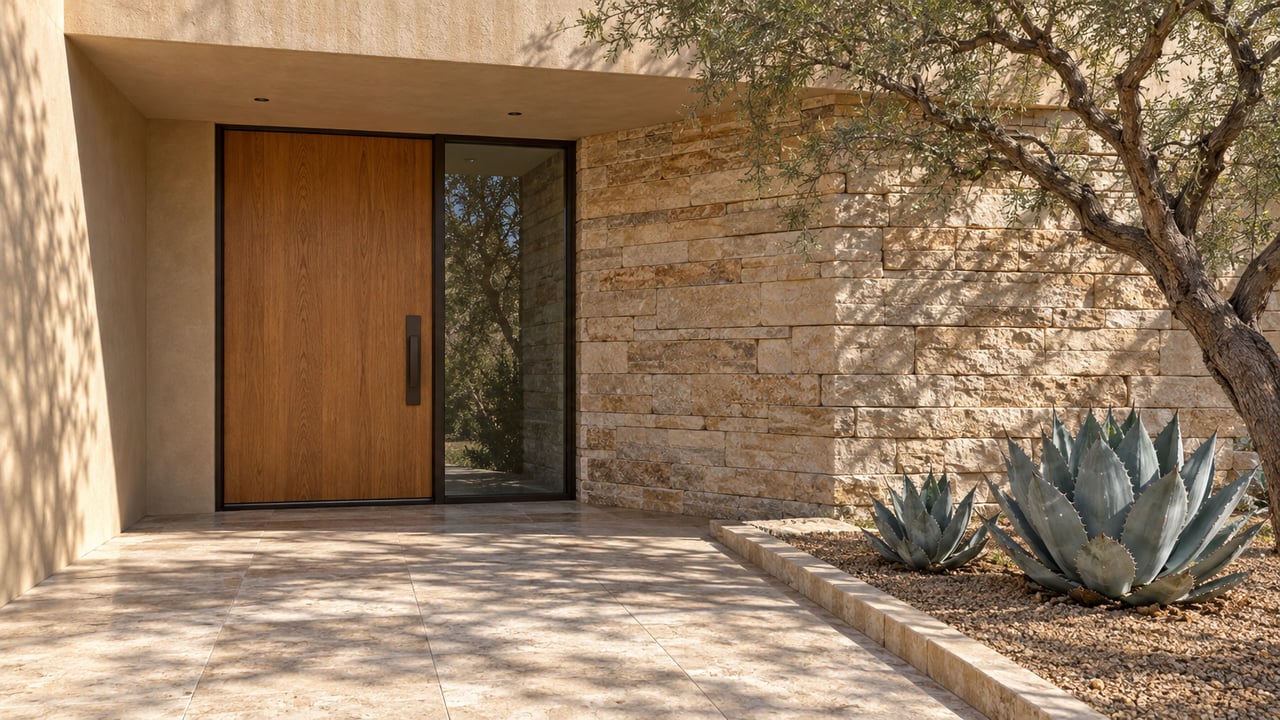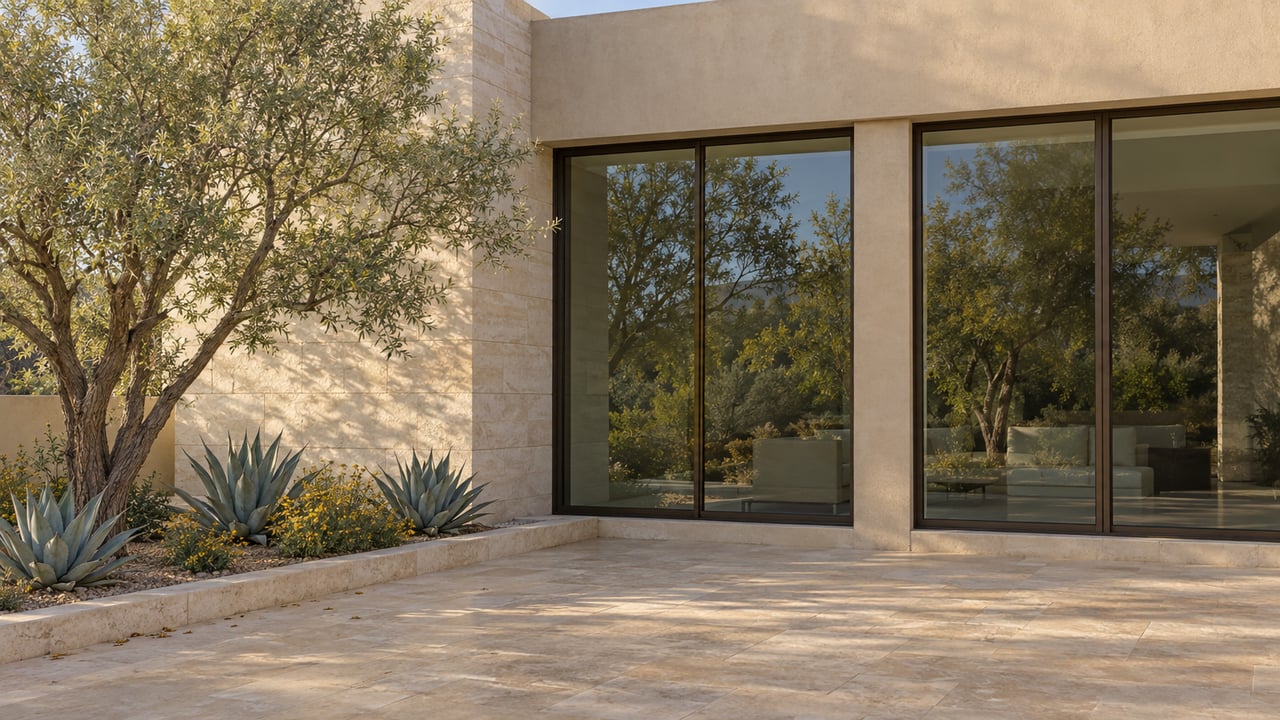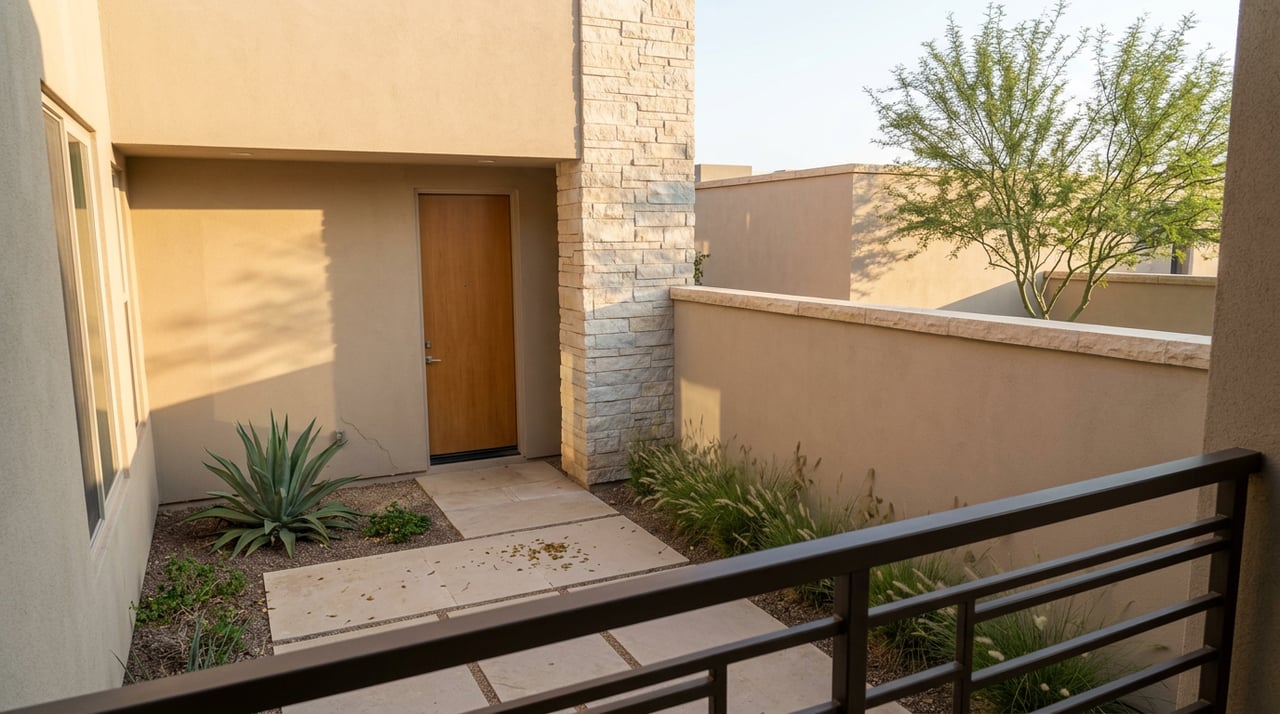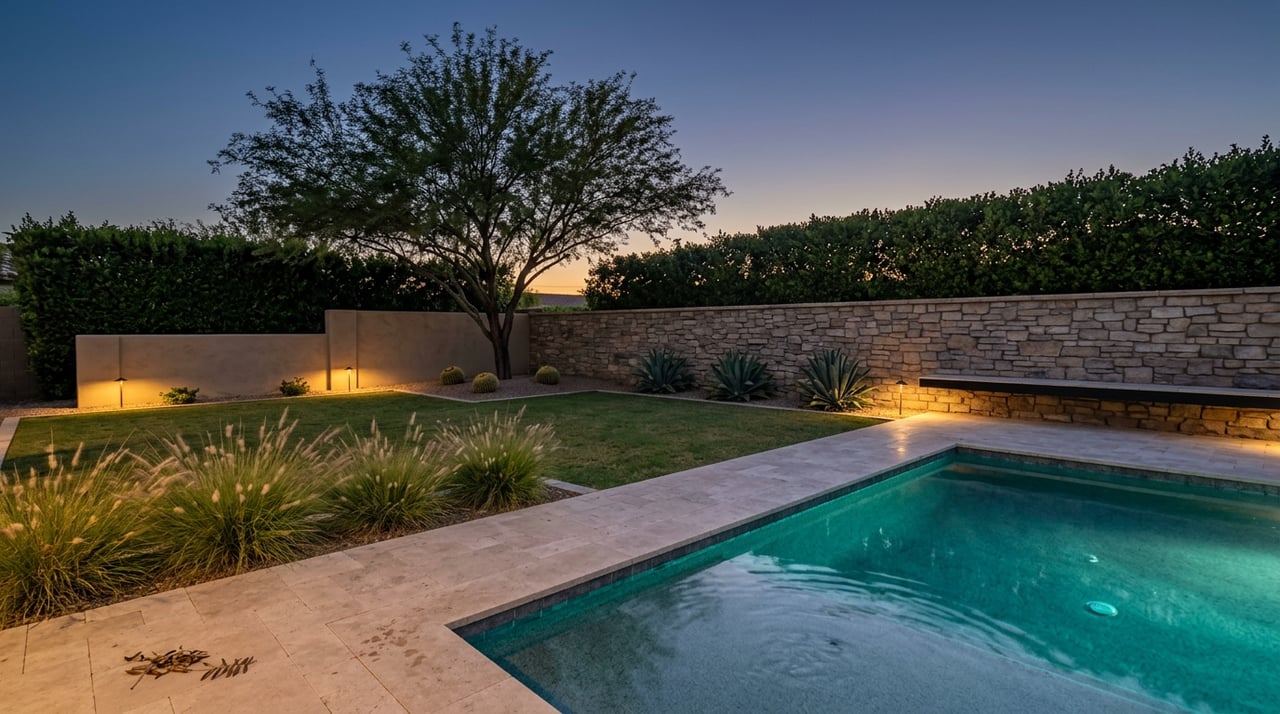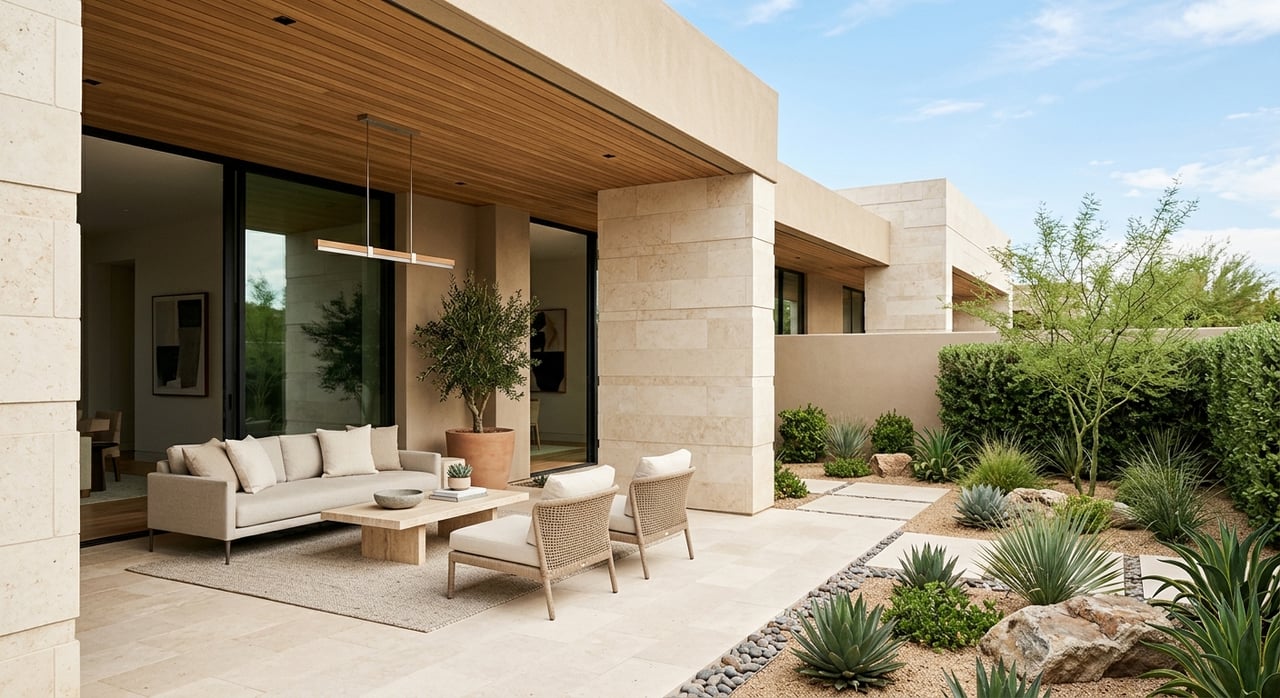
What does quiet luxury actually feel like when it is part of your daily routine, not just a design trend? In Paradise Valley, it looks less like flash and more like space, calm, mountain views, and a residential setting intentionally shaped to stay that way. If you are exploring this market as a buyer, relocator, or future seller, this guide will help you understand why Paradise Valley stands apart and how its character supports an elevated everyday lifestyle. Let’s dive in.
What quiet luxury means here
In Paradise Valley, quiet luxury starts with the setting. The town covers about 15.4 square miles and had 12,658 residents in the 2020 Census, which helps explain why it feels open and uncrowded compared with denser parts of the metro area. Town materials describe it as a quiet desert oasis surrounded by Camelback Mountain, Phoenix Mountain Preserve, and the McDowell Mountains, with about 294 days of sunshine each year.
That atmosphere is not accidental. Paradise Valley was incorporated in 1961, and town history shows that early residents wanted to preserve a mostly residential setting, large parcels, and limited government. That original vision still shapes the experience of living here today.
Paradise Valley is built for privacy
One of the clearest reasons Paradise Valley feels distinct is its low-density layout. The town’s 2022 General Plan states that its long-term vision is to remain primarily a one-acre residential community with natural open space and visual openness. In simple terms, that means more breathing room between homes and a stronger sense of privacy.
For many buyers, that is the real luxury. You are not just buying square footage. You are buying separation from noise, more sky, more landscape, and a streetscape that feels intentionally calm.
The one-acre pattern shapes daily life
Paradise Valley’s history includes large parcels, often one to five acres, and a minimum density of about one home per acre. That pattern influences how streets look, how homes are positioned, and how outdoor space becomes part of everyday living. It also supports the estate-style feel many buyers are looking for in this market.
Census QuickFacts reinforces that profile. The town reports a 95.0% owner-occupied housing rate, a median owner-occupied home value of $2,000,000+, and a median household income of $247,159. Those numbers match the long-standing identity of Paradise Valley as a residential luxury market centered on ownership and long-term value.
Preservation is part of the appeal
The town’s planning documents make it clear that scenic beauty and compatibility matter. Zoning rules allow cluster plans only when they preserve scenic beauty or create greater setbacks from heavily traveled roads while maintaining open space and natural beauty. The 2022 General Plan also emphasizes native desert landscaping and preserving scenic mountain areas.
For you as a buyer or homeowner, this matters because the surrounding environment influences how a property feels over time. In Paradise Valley, the town’s planning priorities support a consistent sense of openness and serenity rather than rapid, incompatible change.
Everyday life feels resort-informed
A big part of Paradise Valley’s appeal is that it blends residential calm with a resort-centered lifestyle. The town’s official resort list includes Camelback Inn, Hermosa Inn, Mountain Shadows, Omni Scottsdale Resort & Spa at Montelucia, and Sanctuary Camelback Mountain, among others. Even if you are not staying at a resort, that hospitality environment helps shape the tone of the area.
You see it in the wellness focus, the polished landscapes, and the expectation of quiet comfort. Luxury here often feels restorative rather than performative.
Outdoor movement is part of the routine
Paradise Valley supports an active outdoor lifestyle in a very natural way. Official materials highlight desert hiking, golf, spa experiences, and nearby recreation as key parts of the area. Mountain Shadows’ recreation map frames Paradise Valley as a place for jogging, biking, and hiking, with Camelback Mountain and Phoenix Mountain Preserve woven into daily life.
If your idea of luxury includes a morning walk with mountain views or easy access to trails before work, this setting delivers. The climate also supports that rhythm, with town materials noting about 294 sunny days each year.
Golf and club living add another layer
Golf is part of the local lifestyle, but it does not define the whole town. Paradise Valley’s golf page lists Camelback Golf Club and Mountain Shadows Golf Club, while Paradise Valley Country Club offers golf, racquet sports, dining, fitness and wellness amenities, swimming, and social programming.
For some buyers, access to golf or club amenities is central to the home search. For others, it is simply one more benefit that adds flexibility and convenience to daily life. Either way, it contributes to the relaxed but elevated rhythm many people associate with Paradise Valley.
You get calm without isolation
One of Paradise Valley’s most practical strengths is its location within the broader metro area. Official materials place the town in the heart of the Scottsdale-Phoenix area, and resort sources describe it as a serene setting between Scottsdale and Phoenix with convenient access to both. That balance is a major reason the town appeals to relocating buyers and second-home owners.
You can enjoy quiet residential streets at home while still reaching shopping, dining, sports, and entertainment in neighboring cities with relative ease. Paradise Valley does not rely on a dense commercial core inside the town. Instead, its value comes from preserving a residential environment while staying connected to nearby urban conveniences.
Daily essentials still support real livability
Luxury buyers often want more than beauty. They want a place that works well day to day. Paradise Valley says it is home to 11 schools, 4 medical centers, 9 resorts, and 3 golf courses, which helps support practical living for full-time residents and relocating households.
The town’s schools page lists a mix of public and private options, including Scottsdale Unified schools and private schools such as Phoenix Country Day School, Jones Gordon School, Montessori Academy, and Desert View Learning Center. For buyers planning a move, that range of options can be part of a broader location review.
Why Paradise Valley holds its identity
Some luxury markets change quickly once they become desirable. Paradise Valley stands out because its identity is actively protected through planning and community priorities. Residents ratified the 2022 General Plan with 81% support, and the plan ties quality of life to preserving low-density residential character, visual openness, and a resort destination that remains subordinate to the town’s residential design form.
That is an important point if you are thinking long term. The appeal of Paradise Valley is not just what it is today. It is also the fact that the town has shown strong commitment to preserving the qualities people move there for in the first place.
Luxury here is more about experience
In many markets, luxury is measured by finishes alone. In Paradise Valley, the experience of home often matters just as much as the materials and architecture. Large lots, desert landscaping, mountain backdrops, and a quieter rhythm of life create a sense of ease that is hard to replicate.
That is why the phrase everyday quiet luxury fits so well. It captures the idea that your home is not only a showpiece. It is also the place where privacy, light, space, and setting support how you want to live every day.
What buyers should pay attention to
If you are considering a move to Paradise Valley, it helps to look beyond photos and square footage. The right fit often comes down to how a property connects to the lifestyle the town is known for.
Here are a few factors worth weighing:
- Lot size and how the home sits on the site
- Mountain views and view corridors
- Proximity to trails, golf, resorts, or club amenities
- Access routes to Scottsdale and Phoenix
- Outdoor living potential and desert landscaping
- The level of privacy created by setbacks, landscaping, and surrounding uses
In a market like Paradise Valley, subtle differences can have a meaningful effect on how a home lives. A knowledgeable local perspective can help you compare not just properties, but the day-to-day experience each one offers.
Why local guidance matters in Paradise Valley
Paradise Valley is a highly specific market with a strong identity, a low-density residential pattern, and a lifestyle that is shaped as much by planning as by price point. Whether you are buying, relocating, or preparing to sell, understanding that local context helps you make better decisions.
ROCO Luxury Homes focuses on high-value residential properties across Greater Phoenix, with deep attention to Paradise Valley, Scottsdale, and Arcadia. With a partner-led approach, refined marketing, and strong neighborhood knowledge, the team helps clients navigate what makes each luxury property and micro-location distinct.
If you are thinking about buying or selling in Paradise Valley, ROCO Luxury Homes can help you evaluate the lifestyle, positioning, and property details that matter most.
FAQs
What makes Paradise Valley different from Paradise Valley Village?
- Paradise Valley is an incorporated town in Maricopa County, while Paradise Valley Village is a separate planning area within Phoenix. They are not the same place.
Why does Paradise Valley feel so private?
- Paradise Valley’s planning framework emphasizes a primarily one-acre residential pattern, visual openness, natural open space, and preservation of scenic areas, which all contribute to a more private feel.
What is everyday life like in Paradise Valley?
- Daily life often blends quiet residential living with access to hiking, biking, golf, resort spas, and convenient connections to Scottsdale and Phoenix.
Are there schools and services in Paradise Valley?
- Yes. Town materials say Paradise Valley includes 11 schools, 4 medical centers, 9 resorts, and 3 golf courses, supporting practical day-to-day living.
Is Paradise Valley mainly residential?
- Yes. The town’s history and 2022 General Plan both emphasize preserving a primarily residential, low-density character with limited non-residential development.
Why do buyers consider Paradise Valley for luxury homes?
- Buyers are often drawn to the combination of large lots, privacy, scenic mountain surroundings, owner-occupied housing patterns, and convenient access to the Scottsdale-Phoenix metro area.